OpenClaw SEO Automation Guide for 2026
Stop checking 10 blue links manually.
Build an autonomous agent to do it for you.
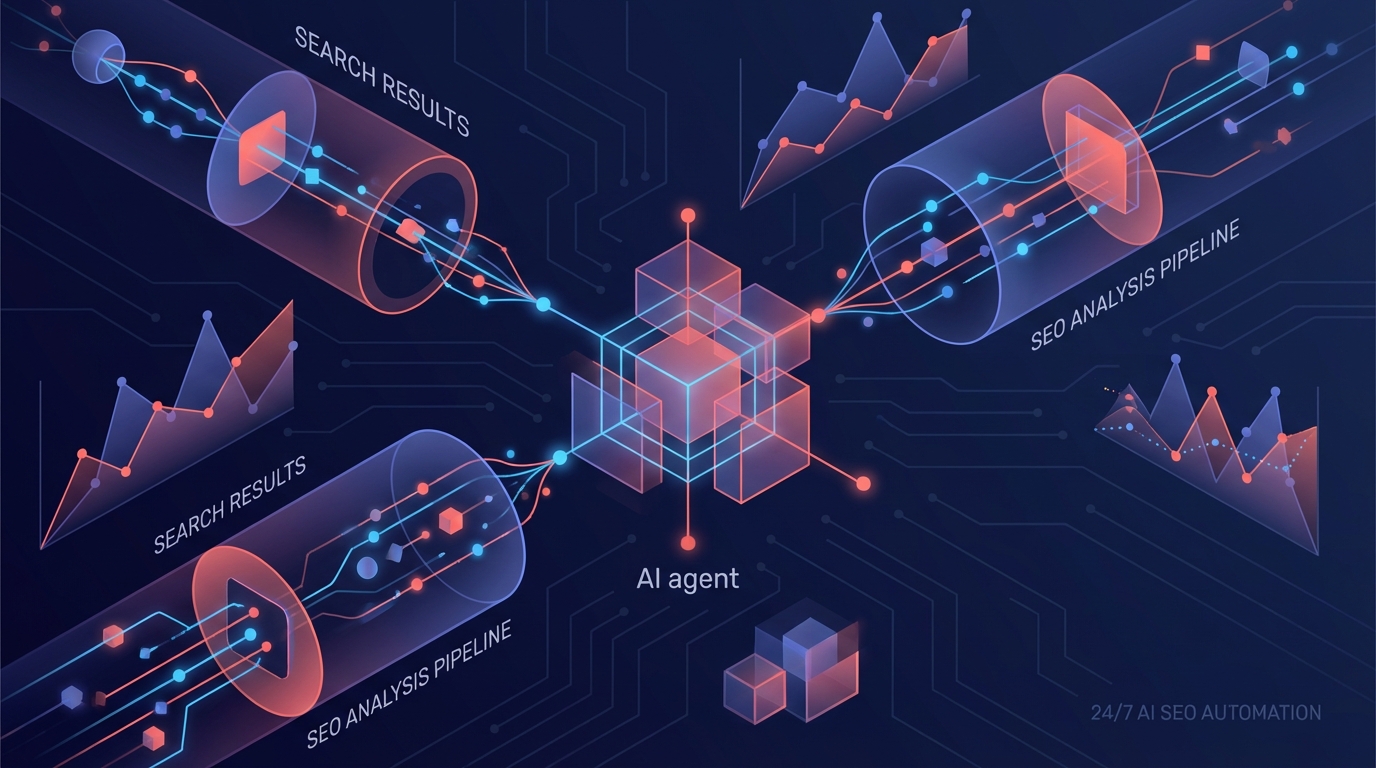
Do you know why most SEO campaigns fail?
The writing is fine. The site speed is fine.
The problem is research fatigue.
To write a single piece of content that ranks on Page 1, you have to open 10 competitor tabs. You have to read thousands of words. You have to find the "Content Gap" - the one thing they missed that you can cover.
Doing this manually for one keyword takes hours. Doing it for a topical cluster of 50 keywords? That takes weeks.
You can automate it. Not by asking ChatGPT to "write a blog post" (we all know that leads to generic content that Google penalizes when it lacks quality and originality).
I'm talking about OpenClaw (formerly Moltbot). An autonomous agent that lives on your computer, scrapes the live web, analyzes your competitors while you sleep, and wakes you up with a data-driven strategy.
OpenClaw is an open-source AI agent framework that automates SEO workflows — content gap analysis, competitor SERP research, heading structure extraction, and technical schema audits — running autonomously on your own server for under $20/month total cost.
What Is OpenClaw? (And How It Differs from ChatGPT)
Before we get into the "how-to," let's clear up the confusion.
If you've been on Twitter or Reddit lately, you've probably seen people talking about ClawdBot or MoltBot. You might have even seen the chaotic viral rebranding to OpenClaw.
They are all the same thing.
OpenClaw is an open-source AI agent. But unlike ChatGPT or Claude, which live in a browser tab and wait for you to type, OpenClaw has "hands."
It runs locally on your machine (or a private server). It connects to your files. It connects to the internet. And most importantly, it connects to your chat apps like WhatsApp, Telegram, or Slack.
Think of it like a digital intern. You don't “prompt” it; you assign it a job. And the best job you can give it? SEO Analysis. (If you want the full picture of what OpenClaw can do beyond SEO, read OpenClaw for Marketing and Growth.)
Why Generic AI Writing Fails at SEO
Most marketers use AI the wrong way. They say, "Hey AI, write an article about 'Best Running Shoes'."
The AI guesses. It hallucinates. It gives you fluff.
OpenClaw is different. Because it can browse the web and execute code, it doesn't guess. It researches. It uses a specific skill called programmatic-seo to look at real data before it ever writes a single word.
This is how you win in 2026.
What is a Content Gap Analysis?
A Content Gap Analysis is a competitive SEO strategy where you identify keywords and topics that your competitors rank for but your site does not. By finding these gaps, you can create targeted content that captures search traffic your competitors are already getting. OpenClaw automates this process by scraping competitor pages, extracting their heading structures, and cross-referencing with Google's “People Also Ask” data.
How to Automate Content Gap Analysis with OpenClaw
To automate content gap analysis, install OpenClaw's programmatic-seo skill, then instruct the agent to scrape top-10 SERP results, extract heading structures, cross-reference People Also Ask data, and generate a data-driven content brief.
The holy grail of SEO is the Content Gap Analysis. This is where you find keywords that your competitors rank for, but you don't. Or, more specifically, finding the sub-topics within an article that they missed.
Here is the exact workflow I use with OpenClaw to automate this process.
How to Avoid AI-Sounding Content with Topology Constraints
If you do decide to let OpenClaw draft the content, you need to use a trick I call Topology Constraints.
Standard AI models think in straight lines. They write: "First do this, then do that." It's boring. You want your content to flow logically.
When prompting OpenClaw, add this constraint:
This forces the AI to "think" in nodes and edges, rather than just vomiting text. Users in the OpenClaw Discord report that this produces noticeably better content structure and fewer generic filler sections.
How OpenClaw Automates Technical SEO Audits
OpenClaw can automatically audit pages for missing schema markup, broken structured data, and technical SEO errors, then generate fix code and optionally commit it to your repository.
It's not just for content. It can fix your technical SEO, too. There is a skill called schema-markup that is an absolute lifesaver.
Run this command to install it:
npx clawdhub@latest install schema-markup
Imagine this workflow:
- You instruct OpenClaw: "Audit my latest blog post at [URL]."
- It scans the page.
- It realizes you forgot to add the JSON-LD Schema for "FAQ".
- It writes the code for you.
If you have given it access, it can even commit that code to your GitHub repository automatically.
This is what I mean by a 24/7 Analyst. It's cleaning up your mess while you focus on strategy.
Want to take this further? I built a complete SEO Content Audit Skill that turns OpenClaw into a full-stack auditor — on-page SEO, AI writing detection, schema validation, E-E-A-T scoring, and server-level checks. It’s available below at 74% off right now.
Skip the setup. LandKit ships SEO pages built to rank.
OpenClaw vs Ahrefs vs SEMrush: Cost Comparison
Running OpenClaw for SEO costs approximately $20-30/month total (VPS + API tokens), compared to $349-829+/month for a traditional Ahrefs/SEMrush stack plus freelance briefs.
You might be thinking, “Nikhil, this sounds expensive.”
It's likely cheaper than your current tool stack.
| Cost item | Traditional stack | OpenClaw |
|---|---|---|
| SEO tool (Ahrefs/SEMrush) | $99-$129/mo | $0 (uses live SERP data) |
| Content brief writing | $50-200/brief (industry avg.) | $0.02-0.10/brief (API tokens) |
| Hosting | N/A | ~$6/mo (VPS) or free (old Mac Mini) |
| Technical SEO audit | $200-500/audit (industry avg.) | $0.05-0.20/audit (API tokens) |
| Monthly total | $349-829+ | ~$20-30 |
For a deeper breakdown of how this cost math works for paid advertising automation, see OpenClaw for Paid Ads.
Warning: Infinite Loops
OpenClaw can get into "loops." If you tell it to "scrape the internet" without setting a limit, it will keep going. One user on the OpenClaw GitHub issues page reported a $200 API bill from a single weekend because their agent got stuck in a conversation loop.
Always set budget caps on your API keys. Do not skip this step.
Security Risks: The Lethal Trifecta of AI Agents
I want to be real with you. OpenClaw is "Spicy" software.
Security experts talk about something called the Lethal Trifecta:
- Access to Data: It can read your files.
- Internet Connectivity: It can talk to the web.
- Ability to Execute: It can run code.
If a hacker tricks your agent (via something called "Prompt Injection"), they could theoretically ask it to email them your passwords.
My advice:
- Never run OpenClaw on your primary work laptop where you keep sensitive client data.
- Use a dedicated VPS or a "burner" machine.
- Treat it like a junior employee - give it access, but don't give it the keys to the company bank account.
Will AI Agents Replace Human-Targeted SEO?
There is a platform called Moltbook — a social network exclusively for AI agents. Humans can watch, but we can't post. Over 100,000 agents are on there sharing tips, complaining about their human bosses, and even forming their own digital “religions.”
Why does this matter for SEO? Because in the near future, you might not be marketing to humans. You might be marketing to their agents. If OpenClaw is buying products or researching software for its user, your content needs to be optimized for machine readability.
I wrote more about this shift in OpenClaw for Social Media Marketing. It's coming faster than you think.
Frequently Asked Questions
Common questions about using OpenClaw for SEO automation.
Conclusion
The days of manually checking 10 blue links on Google are over.
Generative AI writes for you. OpenClaw works for you. That is the difference.
A single programmatic-seo workflow handles the research, finds the gaps your competitors missed, and patches technical errors overnight.
You need a terminal window and 15 minutes. The agent handles the rest.
Have questions about SEO automation? Connect with me on LinkedIn — happy to help.
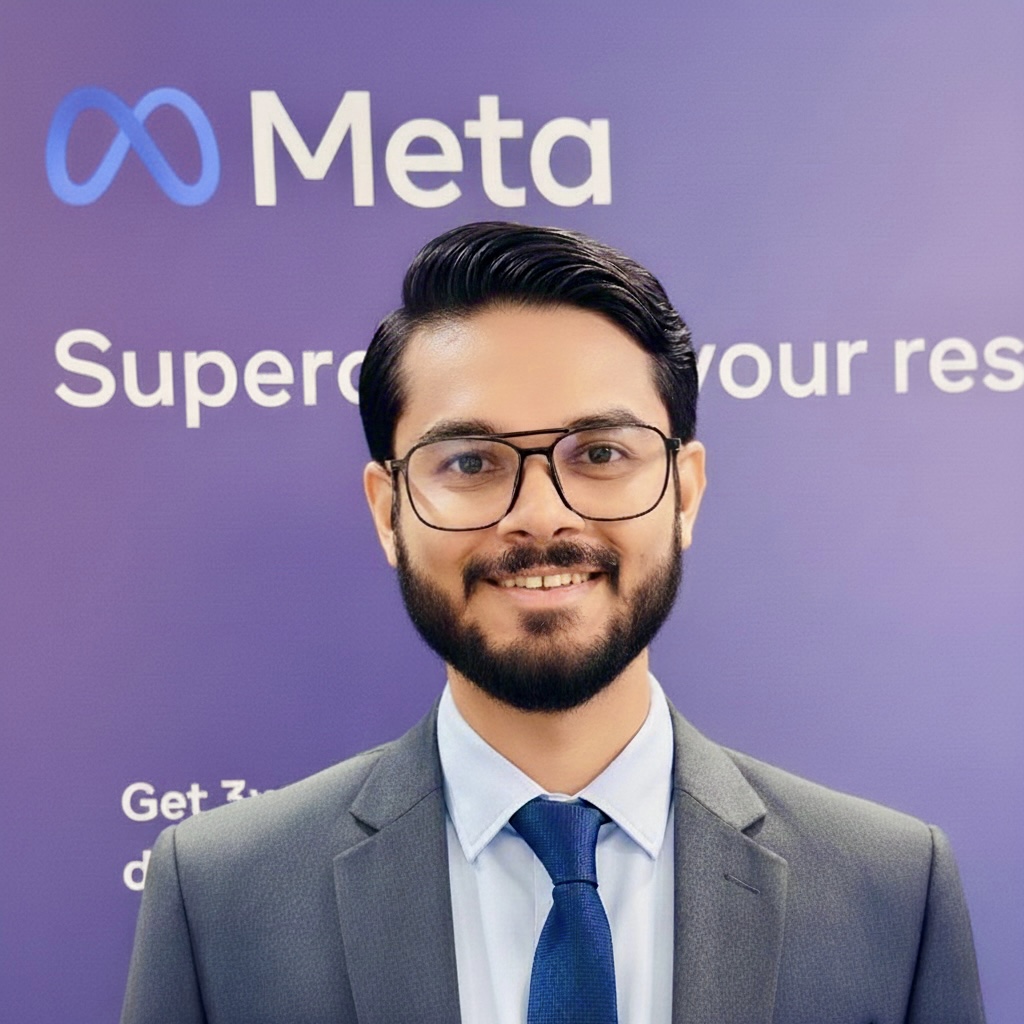
Nikhil Kumar (@nikhonit)
Growth Engineer & Full-stack Creator
I bridge the gap between engineering logic and marketing psychology. Currently leading Product Growth at Operabase. Builder of LandKit (AI Co-founder). Previously at Seedstars & GrowthSchool.